How to use herbal remedies for skin conditions is a comprehensive guide that explores the benefits of incorporating natural solutions for various skin issues. From acne to eczema, this topic delves into the power of herbal remedies in promoting skin health and wellness.
Learn about the different herbs that can effectively target specific skin conditions and how to integrate them into your daily wellness routine for glowing, healthy skin.
Introduction to Herbal Remedies for Skin Conditions
Herbal remedies refer to the use of plants and plant extracts to promote healing and address various health issues. When it comes to skin conditions, herbal remedies have been used for centuries due to their natural properties and minimal side effects.
The benefits of using herbal remedies for skin conditions include their gentle and soothing nature, which can help alleviate symptoms without harsh chemicals. Additionally, many herbs contain anti-inflammatory, antimicrobial, and antioxidant properties that can aid in treating skin issues.
Examples of Commonly Used Herbs for Skin Health
- Calendula: Known for its anti-inflammatory and antiseptic properties, calendula is often used to soothe irritated skin, reduce redness, and promote healing.
- Lavender: With its calming and antibacterial properties, lavender can help alleviate acne, eczema, and other skin conditions while providing a relaxing aroma.
- Aloe Vera: Aloe vera is widely used for its hydrating and healing properties, making it effective in treating burns, sunburn, and dry skin.
- Chamomile: Chamomile is known for its anti-inflammatory and calming effects, making it beneficial for soothing sensitive skin, reducing irritation, and promoting relaxation.
Wellness Programs for Skin Health
Wellness programs play a crucial role in maintaining overall skin health by focusing on holistic approaches to skincare.
Importance of Wellness Programs
- Wellness programs not only target external factors affecting the skin but also address internal issues that may impact skin health.
- By incorporating wellness practices, individuals can achieve long-term benefits for their skin, promoting a healthy and radiant complexion.
Comparing Traditional Skincare Routines
- Traditional skincare routines often rely on harsh chemicals and synthetic ingredients that may cause irritation or long-term damage to the skin.
- On the other hand, incorporating herbal remedies into a wellness program can provide natural and gentle solutions for various skin conditions.
Tips for Integrating Herbal Remedies
- Start by researching different herbs known for their skin-healing properties and identify which ones suit your skin type and concerns.
- Consult with a dermatologist or herbalist to get personalized recommendations on the best herbal remedies for your skin condition.
- Integrate herbal remedies into your daily skincare routine by incorporating them into cleansers, toners, masks, or moisturizers.
- Be consistent with using herbal remedies and allow time for them to work their magic on your skin before expecting immediate results.
Understanding Skin Conditions: How To Use Herbal Remedies For Skin Conditions
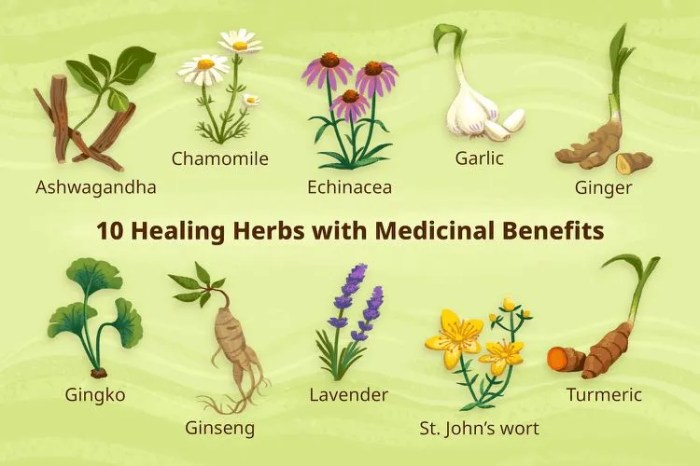
Skin conditions can range from mild irritations to chronic issues that require long-term management. Herbal remedies have been used for centuries to help alleviate symptoms and improve overall skin health. Let’s explore how herbal remedies can target specific skin issues like acne, eczema, or psoriasis.
Common Skin Conditions, How to use herbal remedies for skin conditions
- Acne: Herbal remedies like tea tree oil, aloe vera, and calendula have anti-inflammatory and antibacterial properties that can help reduce acne breakouts.
- Eczema: Herbs such as chamomile, lavender, and chickweed can soothe irritated skin and reduce itching associated with eczema flare-ups.
- Psoriasis: Turmeric, licorice root, and burdock root are known for their anti-inflammatory properties, which can help calm redness and scaling caused by psoriasis.
Herbal Remedies for Bone Density and Muscle Mass
When it comes to improving bone density and supporting muscle mass, herbal remedies can play a significant role in promoting overall bone and muscle health.
Improving Bone Density
Herbs like nettle, horsetail, and red clover are known for their ability to improve bone density and strengthen bones. Nettle, in particular, is rich in minerals like calcium and magnesium, essential for maintaining bone health. You can prepare a nourishing herbal tea by steeping dried nettle leaves in hot water and enjoying it daily to support bone density.
Supporting Muscle Mass and Strength
Certain herbs like ashwagandha, maca root, and ginseng are known for their ability to support muscle mass and strength. Ashwagandha, also known as Indian ginseng, is an adaptogenic herb that can help improve muscle mass and recovery. You can incorporate ashwagandha powder into smoothies or teas to enjoy its benefits for muscle health.
Recipes for Bone and Muscle Health
- Nettle Tea Recipe:
- Ingredients: Dried nettle leaves, hot water
- Instructions: Steep a tablespoon of dried nettle leaves in a cup of hot water for 5-10 minutes. Strain and enjoy daily to support bone density.
- Ashwagandha Smoothie Recipe:
- Ingredients: Frozen berries, banana, almond milk, ashwagandha powder
- Instructions: Blend a handful of frozen berries, a ripe banana, a cup of almond milk, and a teaspoon of ashwagandha powder until smooth. Enjoy this muscle-supporting smoothie post-workout.
Epilogue
In conclusion, embracing herbal remedies for skin conditions can be a game-changer in achieving radiant and problem-free skin. By understanding the power of natural ingredients and how they can benefit your skin, you are on your way to a healthier and more vibrant complexion.
Helpful Answers
Can herbal remedies work for all skin types?
While herbal remedies can be beneficial for many skin types, it’s essential to consult with a dermatologist to determine the best approach for your specific skin condition.
Are there any side effects of using herbal remedies for skin?
Generally, herbal remedies are considered safe, but some individuals may experience allergic reactions. It’s advisable to do a patch test before full application.
How long does it take to see results from using herbal remedies?
The timeline for results can vary depending on the individual and the specific skin condition. Consistent use over a few weeks to months is often recommended for noticeable improvements.