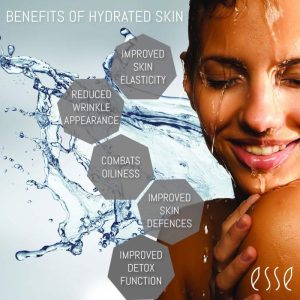
Kicking off with How to prevent premature aging with skincare practices, this guide will explore various strategies and tips to maintain youthful skin and prevent premature aging. From skincare routines to holistic treatments, we’ve got you covered.
In the following sections, we will delve into different aspects of skincare, wellness, herbal remedies, and other practices that contribute to anti-aging. Let’s embark on this journey to healthier and younger-looking skin together.
Skincare Practices to Prevent Premature Aging
Maintaining a consistent skincare routine is crucial in preventing premature aging. This involves daily habits that protect and nourish the skin to keep it healthy and youthful.
The Role of Sunscreen in Preventing Premature Aging
Using sunscreen daily is essential in preventing premature aging. Sun exposure is a leading cause of skin damage, including wrinkles, age spots, and sagging skin. A broad-spectrum sunscreen with at least SPF 30 should be applied generously to all exposed skin, even on cloudy days.
Benefits of Using Anti-Aging Products with Antioxidants
Anti-aging products containing antioxidants can help combat free radicals that contribute to premature aging. Antioxidants like Vitamin C, Vitamin E, and green tea extract help protect the skin from environmental damage and promote collagen production for firmer, more youthful-looking skin.
Tips for Properly Cleansing and Moisturizing the Skin for Anti-Aging Benefits
- Use a gentle cleanser suitable for your skin type to remove dirt, oil, and makeup without stripping the skin of its natural oils.
- Follow up with a moisturizer that hydrates and nourishes the skin. Look for ingredients like hyaluronic acid, ceramides, and peptides to maintain skin elasticity and firmness.
- Don’t forget to exfoliate regularly to remove dead skin cells and promote cell turnover for a brighter, smoother complexion.
Wellness Programs
Participating in wellness programs that focus on skin health can greatly benefit individuals in preventing premature aging and promoting overall well-being.
Examples of Wellness Programs
- Yoga and Meditation Classes: These practices help reduce stress levels, which can contribute to healthier skin and slow down the aging process.
- Nutrition Workshops: Learning about skin-friendly foods and incorporating them into your diet can improve skin health from the inside out.
- Outdoor Fitness Activities: Engaging in activities like hiking or biking can boost circulation and oxygen flow to the skin, promoting a youthful appearance.
Connection Between Overall Wellness and Aging
There is a strong connection between overall wellness and aging. When individuals prioritize their physical and mental well-being, it reflects positively on their skin health and can slow down the aging process.
How Wellness Programs Promote Healthy Aging
- Stress Reduction: Wellness programs often include activities that help reduce stress, which can prevent premature aging and improve skin health.
- Healthy Habits: Participating in wellness programs encourages individuals to adopt healthy habits like regular exercise and a balanced diet, which are essential for healthy aging.
- Community Support: Wellness programs provide a supportive community where individuals can share experiences and motivate each other to prioritize self-care and skin health.
Benefits of Incorporating Wellness Practices into Daily Routines
- Improved Skin Health: Following a wellness routine can lead to clearer, brighter, and more youthful-looking skin.
- Increased Energy Levels: Engaging in wellness practices can boost energy levels, which can positively impact overall health and skin appearance.
- Enhanced Mental Well-being: Taking time for self-care through wellness programs can reduce stress and improve mental clarity, contributing to healthy aging.
Herbal Remedies for Anti-Aging
Incorporating herbal remedies into skincare routines can be a natural and effective way to prevent premature aging. These remedies are often packed with antioxidants and nutrients that promote skin health and combat signs of aging.
Natural Herbs for Anti-Aging
- Green Tea: Known for its high levels of antioxidants, green tea can help protect the skin from damage caused by free radicals.
- Ginseng: This herb has anti-inflammatory properties that can help reduce redness and puffiness, giving the skin a more youthful appearance.
- Licorice Root: Helps to brighten the skin and reduce hyperpigmentation, resulting in a more even skin tone.
Effectiveness of Herbal Remedies
Herbal remedies can be effective in preventing premature aging by nourishing the skin with essential nutrients and protecting it from environmental stressors.
Recipes for Herbal Remedies
- Green Tea Face Mask: Mix brewed green tea with honey and apply to the skin for a rejuvenating treatment.
- Ginseng Toner: Steep ginseng in hot water, let it cool, and use as a toner to soothe and revitalize the skin.
- Licorice Root Serum: Combine licorice root extract with aloe vera gel for a potent serum that brightens and evens out the skin tone.
Consulting with a Healthcare Professional
It is important to consult with a healthcare professional before incorporating herbal remedies into your skincare routine, especially if you have sensitive skin or existing skin conditions. They can provide guidance on the right herbs to use and ensure compatibility with your skin type.
Bone Density and Muscle Mass
Maintaining healthy bone density and muscle mass is crucial as we age. Both bone density and muscle mass tend to decrease with age, leading to issues like osteoporosis and sarcopenia. However, there are steps you can take to support these aspects of your health.
Tips for Maintaining Healthy Bone Density and Muscle Mass
- Aim for regular weight-bearing exercises such as walking, jogging, or strength training to help maintain bone density and muscle mass.
- Incorporate resistance training into your routine to strengthen muscles and bones.
- Ensure you are getting enough calcium and vitamin D in your diet to support bone health.
- Stay hydrated to support overall muscle function and prevent muscle cramps.
Exercises and Activities to Improve Bone Density and Muscle Mass
- Weightlifting or bodyweight exercises like squats, lunges, and push-ups can help build muscle and bone strength.
- Yoga or Pilates can improve balance, flexibility, and muscle tone, supporting overall bone and muscle health.
- High-intensity interval training (HIIT) can be effective in building muscle and improving cardiovascular health.
Role of Nutrition in Supporting Bone and Muscle Health
- Include sources of lean protein in your diet to support muscle repair and growth.
- Consume foods rich in calcium, such as dairy products, leafy greens, and fortified foods, to promote strong bones.
- Ensure you are getting enough magnesium, vitamin K, and other essential nutrients to support bone health.
- Limit processed foods high in sugar and unhealthy fats, as they can contribute to inflammation and weaken bones and muscles.
Dental Care for Anti-Aging
Maintaining good oral hygiene is not just important for a beautiful smile, but it also plays a crucial role in preventing premature aging. The health of our teeth and gums can impact our overall well-being and affect the aging process.
Here are some tips and insights on how dental care can contribute to anti-aging practices.
Impact of Dental Health on Aging
- Poor dental health can lead to various oral issues such as gum disease, tooth decay, and tooth loss, which can affect our appearance and confidence as we age.
- Missing teeth or poorly maintained oral health can cause facial sagging, wrinkles around the mouth, and a sunken appearance, making us look older than we are.
- Oral infections and inflammation from dental problems can also contribute to systemic inflammation in the body, leading to other health issues that accelerate the aging process.
Maintaining Good Oral Hygiene
- Brush your teeth at least twice a day and floss daily to prevent plaque buildup and cavities.
- Visit your dentist regularly for check-ups and professional cleanings to catch any dental issues early on.
- Avoid smoking and excessive consumption of sugary foods and drinks, as they can harm your teeth and gums.
- Consider using mouthwash and fluoride toothpaste to strengthen your teeth and prevent decay.
Connection Between Dental Care and Overall Health
- Good oral hygiene is linked to a lower risk of cardiovascular diseases, diabetes, and other systemic conditions that can impact our health as we age.
- Regular dental check-ups can help detect early signs of health problems, allowing for timely intervention and prevention of serious issues.
Common Dental Issues Accelerating Aging
- Gum disease: Periodontal disease can lead to tooth loss, bone deterioration, and facial changes that make us look older.
- Tooth decay: Cavities and decay can weaken the teeth and affect our smile and facial structure over time.
- Bruxism: Teeth grinding can cause worn-down teeth, jaw pain, and facial muscle strain, contributing to premature aging signs.
Eye Health and Aging: How To Prevent Premature Aging With Skincare Practices
Age-related eye health issues can include conditions such as cataracts, glaucoma, macular degeneration, and dry eyes. These issues can impact vision and overall quality of life as we age. It’s essential to take proactive steps to protect eye health and prevent premature aging.
Protecting Eye Health:
- Avoid prolonged exposure to UV rays by wearing sunglasses with UV protection.
- Eat a diet rich in antioxidants, vitamins, and minerals to support eye health.
- Stay hydrated to prevent dry eyes and maintain overall eye health.
- Follow the 20-20-20 rule to reduce eye strain: every 20 minutes, look at something 20 feet away for at least 20 seconds.
Importance of Regular Eye Exams:
Regular eye exams are crucial for detecting eye health issues early on. They can help in the early diagnosis and treatment of conditions that could lead to vision loss. Eye exams can also detect underlying health conditions such as diabetes and high blood pressure that may affect eye health.
Lifestyle Factors and Eye Health:
- Avoid smoking, which can increase the risk of age-related macular degeneration and cataracts.
- Maintain a healthy weight and manage chronic conditions like diabetes to prevent eye complications.
- Limit screen time and take breaks to reduce eye strain from digital devices.
- Get regular physical exercise to improve blood circulation and oxygen flow to the eyes.
Mental Clarity and Aging
Maintaining mental clarity as we age is crucial for overall well-being and quality of life. Cognitive decline is often associated with aging, but there are practices that can help improve mental acuity and resilience.
Activities and Practices for Improving Mental Clarity
- Engage in regular physical exercise to promote blood flow to the brain and stimulate cognitive function.
- Challenge your brain with puzzles, games, or learning new skills to keep your mind sharp.
- Get an adequate amount of sleep to allow your brain to rest and consolidate memories.
Benefits of Mindfulness and Meditation
- Mindfulness practices can help reduce stress and improve focus, leading to better mental clarity.
- Meditation has been shown to increase gray matter in the brain, enhancing cognitive function and memory.
- Both mindfulness and meditation promote emotional regulation, which can contribute to overall mental resilience.
Tips for Maintaining Cognitive Function
- Follow a healthy diet rich in antioxidants, omega-3 fatty acids, and vitamins to support brain health.
- Stay socially connected to engage in stimulating conversations and activities that challenge your mind.
- Avoid habits like smoking and excessive alcohol consumption, which can accelerate cognitive decline.
Joint Flexibility and Aging
Maintaining joint flexibility is crucial as you age to ensure mobility and reduce the risk of injuries and pain. It becomes increasingly important to focus on keeping your joints healthy to maintain an active lifestyle.
Exercises and Stretches for Improved Joint Flexibility
- Stretching exercises such as yoga or Pilates can help improve flexibility and range of motion in your joints.
- Low-impact activities like swimming or cycling can also be beneficial for joint health without putting too much stress on them.
- Strength training exercises can help support the muscles around your joints, providing stability and reducing the risk of injuries.
Tips for Preventing Joint Stiffness and Pain
- Maintain a healthy weight to reduce the strain on your joints.
- Stay hydrated to keep your joints lubricated and flexible.
- Avoid sitting or standing in the same position for extended periods to prevent stiffness.
- Use proper body mechanics when lifting or carrying heavy objects to protect your joints.
The Role of a Healthy Lifestyle in Supporting Joint Health
- Eat a balanced diet rich in anti-inflammatory foods to reduce joint pain and inflammation.
- Stay active with regular exercise to keep your joints moving and maintain flexibility.
- Avoid smoking and limit alcohol consumption, as they can contribute to joint problems.
- Get enough rest and sleep to allow your body to repair and regenerate, supporting overall joint health.
Digestive Health and Aging
Maintaining good digestive health is crucial in the aging process as it can impact various aspects of our overall well-being. The gut plays a significant role in absorbing nutrients, supporting the immune system, and even affecting mental health, all of which are key factors in aging gracefully.
The Role of Gut Health in Aging
Our digestive system becomes less efficient as we age, leading to issues such as nutrient malabsorption, inflammation, and a weakened immune response. This can contribute to the development of chronic diseases and accelerate the aging process. Taking care of our gut health is essential for maintaining vitality and longevity as we grow older.
- Include probiotics in your diet to promote a healthy balance of gut bacteria.
- Eat high-fiber foods like fruits, vegetables, and whole grains to support digestion and prevent constipation.
- Stay hydrated to aid in the digestion process and keep things moving smoothly.
Foods for Digestive Health and Anti-Aging
A diet rich in certain nutrients can help support digestive health and slow down the aging process. Incorporating the following foods into your meals can provide essential vitamins, minerals, and antioxidants that benefit both your gut and overall well-being.
Berries
Packed with antioxidants that reduce inflammation and support gut health.
Yogurt
Contains probiotics that promote a healthy gut microbiome.
Leafy greens
High in fiber and nutrients that aid digestion and support a healthy gut.
Nuts and seeds
Provide healthy fats and fiber that are beneficial for gut health.
Detox Process for Anti-Aging
Detoxification plays a crucial role in preventing premature aging by eliminating toxins from the body and promoting overall health and wellness.
Benefits of Detoxification for Anti-Aging
- Flushes out harmful toxins that can contribute to aging.
- Improves skin clarity and reduces the appearance of wrinkles.
- Boosts energy levels and enhances mental clarity.
Natural Methods for Detoxifying the Body
- Increasing water intake to help flush out toxins through urine and sweat.
- Incorporating antioxidant-rich foods like berries, leafy greens, and nuts into your diet.
- Engaging in regular exercise to stimulate circulation and promote toxin elimination.
Importance of Staying Hydrated for the Detox Process
Staying hydrated is essential for the detox process as water helps transport toxins out of the body through urine and sweat. Dehydration can hinder the body’s ability to eliminate toxins effectively.
How Detoxing Supports Overall Health and Anti-Aging Efforts
- Reduces inflammation in the body, which is linked to premature aging.
- Promotes healthy organ function and supports the immune system.
- Enhances the body’s natural detoxification processes, helping to maintain youthfulness and vitality.
Blood Pressure and Heart Rate
Maintaining healthy blood pressure and heart rate is crucial for anti-aging. As we age, our blood vessels may become less flexible, leading to increased blood pressure and heart rate. This can put a strain on the heart and increase the risk of cardiovascular diseases.
Relationship between Blood Pressure, Heart Rate, and Aging
As we age, the walls of our blood vessels may thicken and become less elastic, causing an increase in blood pressure. Additionally, the heart may need to work harder to pump blood efficiently, leading to an increase in heart rate.
These changes can put a strain on the cardiovascular system and increase the risk of heart disease and other age-related health issues.
Tips for Maintaining Healthy Blood Pressure and Heart Rate
- Avoid smoking and limit alcohol consumption.
- Follow a balanced diet low in sodium and saturated fats.
- Engage in regular physical activity to keep your heart healthy.
- Manage stress through relaxation techniques such as yoga or meditation.
Lifestyle Changes for Improving Heart Health
- Get regular exercise to strengthen the heart muscle.
- Maintain a healthy weight to reduce strain on the heart.
- Avoid processed foods and prioritize whole foods rich in nutrients.
- Monitor cholesterol levels and keep them in check.
Importance of Regular Monitoring of Blood Pressure and Heart Rate for Anti-Aging
Regular monitoring of blood pressure and heart rate is essential for early detection of any cardiovascular issues. By keeping track of these vital signs, you can take proactive measures to maintain a healthy heart and reduce the risk of age-related diseases.
Consult your healthcare provider for regular check-ups and screenings to ensure your heart health is on track.
Health Screenings and Vaccination Programs
Regular health screenings and vaccination programs play a crucial role in preventing premature aging by detecting potential health issues early on and protecting the body from harmful diseases. By staying proactive with these preventive measures, individuals can maintain their overall health and well-being, ultimately contributing to longevity.
Significance of Health Screenings
Regular health screenings help in early detection of various health conditions, allowing for timely intervention and treatment. Some common screenings recommended for adults include blood pressure checks, cholesterol tests, diabetes screenings, cancer screenings (such as mammograms and colonoscopies), and bone density scans.
These screenings can help identify risk factors and underlying health issues that may accelerate the aging process if left untreated.
Importance of Vaccination Programs
Vaccination programs are essential for maintaining immunity against infectious diseases and safeguarding overall health. Vaccines help the immune system recognize and fight off specific pathogens, reducing the risk of illness and complications. Some common vaccinations recommended for adults include influenza vaccine, Tdap (tetanus, diphtheria, pertussis) vaccine, shingles vaccine, and pneumococcal vaccine.
Staying up-to-date with vaccinations can protect individuals from preventable diseases and contribute to their longevity.
Benefits of Staying Up-to-Date
Keeping up with health screenings and vaccination programs can lead to early detection of health issues, prompt treatment, and prevention of diseases. This proactive approach can improve overall health outcomes, reduce the risk of complications, and enhance quality of life.
By prioritizing preventive care through regular screenings and vaccinations, individuals can better manage their health and well-being as they age.
Healthy Habits for Anti-Aging
Maintaining healthy habits plays a crucial role in promoting anti-aging benefits. These habits not only support your overall well-being as you age but also impact the aging process. By incorporating healthy practices into your daily routines, you can enhance your quality of life and potentially slow down the aging clock.
The Role of Nutrition
- Eating a balanced diet rich in fruits, vegetables, lean proteins, and whole grains provides essential nutrients that support healthy aging.
- Hydrating adequately by drinking plenty of water helps maintain skin elasticity and overall health.
- Avoiding excessive consumption of processed foods, sugar, and unhealthy fats can help prevent premature aging.
Physical Activity and Exercise
- Regular exercise, including cardiovascular workouts, strength training, and flexibility exercises, can improve muscle tone, bone density, and overall mobility.
- Maintaining an active lifestyle promotes circulation, reduces inflammation, and boosts energy levels, contributing to anti-aging benefits.
- Incorporating activities like yoga or tai chi can enhance balance, flexibility, and mental well-being as you age.
Stress Management and Sleep
- Practicing stress-reducing techniques such as meditation, deep breathing, or mindfulness can help lower stress levels and promote relaxation.
- Prioritizing quality sleep and establishing a consistent sleep schedule supports cellular repair, cognitive function, and overall health.
- Adequate rest and relaxation are essential for combating the negative effects of chronic stress on the body and mind.
Balanced Hormones and Aging
Maintaining balanced hormones is crucial for healthy aging as they play a significant role in various bodily functions. Hormones regulate metabolism, immune response, energy levels, mood, and overall well-being. As we age, hormonal imbalances can lead to a range of health issues, impacting the aging process.
Importance of Balanced Hormones
- Proper hormone balance supports overall health and vitality.
- Helps in maintaining energy levels and cognitive function.
- Regulates metabolism and weight management.
- Contributes to emotional well-being and mood stability.
Tips for Maintaining Hormonal Balance
- Adopt a healthy diet rich in fruits, vegetables, lean proteins, and whole grains.
- Engage in regular physical activity to support hormonal regulation.
- Manage stress through relaxation techniques like meditation and yoga.
- Get an adequate amount of quality sleep to allow for proper hormone production.
Hormone Replacement Therapy (HRT) and Aging
- HRT can be used to alleviate symptoms of menopause or andropause.
- It can help restore hormonal balance and improve quality of life.
- Discuss with a healthcare provider to determine if HRT is a suitable option.
Lifestyle Factors and Hormone Levels
- Smoking, excessive alcohol consumption, and poor diet can disrupt hormone levels.
- Maintaining a healthy weight and regular exercise can positively impact hormone balance.
- Environmental factors like exposure to toxins can also affect hormone production.
Health Coaching and Fitness Goals
Health coaching plays a crucial role in helping individuals achieve their fitness goals and maintain healthy aging. By working with a health coach, individuals can receive personalized guidance and support to improve their overall wellness.
Examples of Fitness Goals for Anti-Aging
- Increasing muscle mass through strength training to support bone density and joint flexibility.
- Improving cardiovascular endurance through aerobic exercises to enhance heart health and circulation.
- Incorporating flexibility exercises like yoga or Pilates to maintain mobility and prevent injuries.
- Focusing on balance and coordination training to reduce the risk of falls and maintain independence.
Benefits of Working with a Health Coach
Collaborating with a health coach can provide numerous benefits, such as:
- Personalized wellness plans tailored to individual needs and goals.
- Accountability and motivation to stay on track with fitness and lifestyle changes.
- Educational support on nutrition, exercise, and stress management techniques.
- Regular monitoring and adjustments to optimize progress and results.
Tips for Setting and Achieving Fitness Goals
- Start with realistic and specific goals that are measurable and attainable.
- Create a detailed plan outlining the steps needed to reach each goal, including timelines.
- Track your progress regularly and make adjustments as needed to stay on course.
- Celebrate small victories along the way to stay motivated and encouraged.
Diet Planning and Health Supplements
When it comes to preventing premature aging, diet planning plays a crucial role in maintaining skin health and overall well-being. By incorporating the right nutrients and supplements into your diet, you can effectively slow down the aging process and promote a youthful appearance.
Importance of Diet Planning for Anti-Aging Benefits
Creating a balanced diet that is rich in antioxidants, vitamins, minerals, and essential fatty acids is essential for supporting skin health and combating the signs of aging. These nutrients help protect the skin from damage caused by free radicals, UV radiation, and environmental pollutants, while also promoting collagen production and skin regeneration.
Tips for Creating a Balanced Diet for Anti-Aging
- Aim to include a variety of fruits and vegetables in your diet to ensure you are getting a wide range of vitamins and minerals.
- Incorporate lean proteins, whole grains, and healthy fats like omega-3 fatty acids to support skin elasticity and hydration.
- Limit your intake of processed foods, sugary snacks, and beverages high in sugar or caffeine, as they can accelerate the aging process and contribute to skin damage.
- Stay hydrated by drinking plenty of water throughout the day to maintain skin moisture and flush out toxins that can lead to premature aging.
Health Supplements for Anti-Aging
While a balanced diet is essential for anti-aging benefits, health supplements can also play a key role in supporting overall well-being and skin health. Supplements like collagen peptides, vitamin C, hyaluronic acid, and omega-3 fatty acids can help improve skin elasticity, reduce wrinkles, and promote a youthful complexion.
Impact of Dietary Choices and Supplements on the Aging Process
Your dietary choices and supplement intake can significantly impact the aging process by providing essential nutrients that support cellular repair, collagen synthesis, and skin regeneration. By focusing on a nutrient-rich diet and incorporating targeted supplements, you can effectively slow down premature aging and maintain a youthful appearance for years to come.
Breathing Techniques for Stress Management
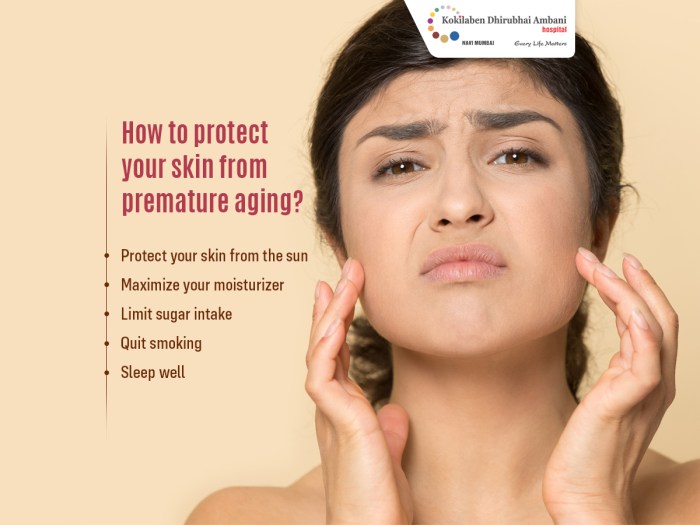
Breathing techniques are powerful tools for managing stress, promoting relaxation, and even slowing down the aging process. By incorporating specific breathing exercises into your daily routine, you can experience mental clarity, improved focus, and overall well-being.
Benefits of Breathing Techniques for Stress Management and Anti-Aging
- Reduced cortisol levels: Deep breathing can help lower the stress hormone cortisol, which is known to accelerate the aging process.
- Improved oxygen flow: Proper breathing techniques ensure optimal oxygen intake, which is vital for cell regeneration and overall health.
- Enhanced relaxation response: Deep breathing triggers the body’s relaxation response, promoting a sense of calm and reducing stress-related symptoms.
Examples of Breathing Exercises for Relaxation and Mental Clarity
- Diaphragmatic breathing:Also known as belly breathing, this technique involves breathing deeply into your diaphragm, allowing your belly to rise and fall with each breath.
- 4-7-8 breathing:Inhale for a count of 4, hold your breath for a count of 7, and exhale for a count of 8. This technique can promote relaxation and reduce anxiety.
- Nadi Shodhana (Alternate Nostril Breathing):This yoga breathing exercise involves alternating breathing through each nostril to balance energy and calm the mind.
Connection Between Stress and Aging
Chronic stress can have detrimental effects on both physical and mental health, contributing to premature aging. High levels of stress can lead to inflammation, oxidative stress, and a weakened immune system, all of which can accelerate the aging process.
Tips for Incorporating Breathing Techniques into Daily Routines
- Set aside dedicated time for breathing exercises each day, such as in the morning or before bed.
- Practice mindfulness while breathing, focusing on the sensation of each breath entering and leaving your body.
- Combine breathing exercises with other stress-relieving activities, such as meditation or gentle yoga, for enhanced relaxation.
Disease Prevention and Pain Management
Preventing diseases and managing pain are crucial aspects of healthy aging. By adopting the right strategies and making informed lifestyle choices, individuals can enhance their overall well-being as they grow older.
Importance of Disease Prevention
- Regular health screenings can help detect potential issues early on, allowing for timely intervention.
- Following a balanced diet rich in nutrients and antioxidants can boost the immune system and reduce the risk of chronic diseases.
- Engaging in regular physical activity can improve cardiovascular health, maintain weight, and reduce the likelihood of developing certain conditions.
- Avoiding harmful habits such as smoking and excessive alcohol consumption can significantly lower the chances of developing diseases.
Tips for Preventing Age-Related Diseases
- Stay hydrated by drinking an adequate amount of water daily to support bodily functions and cellular health.
- Get sufficient sleep to allow the body to rest and regenerate, promoting overall health and immune function.
- Manage stress through relaxation techniques like meditation, yoga, or mindfulness to reduce the impact of stress on the body.
- Stay up to date with vaccinations to protect against certain diseases and maintain immunity.
Pain Management Strategies for Age-Related Conditions
- Practice gentle exercises like yoga or tai chi to improve flexibility, strengthen muscles, and alleviate pain.
- Consider alternative therapies such as acupuncture or massage to manage chronic pain and promote relaxation.
- Use heat or cold therapy to reduce inflammation and soothe sore muscles or joints.
- Consult with healthcare professionals to explore medication options or specialized treatments for specific pain conditions.
Impact of Lifestyle Choices on Disease Prevention and Pain Management
- Adopting a healthy diet and staying active can reduce the risk of developing conditions like diabetes, heart disease, and osteoporosis.
- Avoiding smoking, excessive alcohol consumption, and unhealthy eating habits can contribute to overall well-being and pain management.
- Engaging in regular physical activity can help maintain joint health, improve mobility, and manage pain associated with arthritis or other age-related conditions.
- Prioritizing mental health and stress management can alleviate tension, reduce pain perception, and improve overall quality of life.
Holistic Treatments for Anti-Aging
Holistic treatments focus on treating the whole person, including mind, body, and spirit, to promote healthy aging. These treatments often incorporate natural therapies and alternative medicine practices to support overall well-being and combat the signs of aging.
Benefits of Holistic Treatments for Anti-Aging
- Helps reduce stress and promote relaxation, which can slow down the aging process.
- Supports the body’s natural healing mechanisms, leading to improved skin health and vitality.
- Addresses underlying imbalances in the body that may contribute to premature aging.
- Promotes a sense of well-being and emotional balance, which are essential for healthy aging.
Examples of Holistic Therapies for Anti-Aging
- Acupuncture: Stimulates the body’s energy flow to promote healing and reduce signs of aging.
- Herbal Medicine: Uses natural herbs and plants to support skin health and overall well-being.
- Mindfulness Meditation: Reduces stress and promotes mental clarity for healthy aging.
- Yoga: Improves flexibility, strength, and relaxation, which are beneficial for anti-aging efforts.
Alternative Medicine Practices for Skin Health
- Homeopathy: Uses diluted substances to stimulate the body’s healing abilities for skin rejuvenation.
- Aromatherapy: Harnesses the power of essential oils to nourish the skin and promote anti-aging benefits.
- Traditional Chinese Medicine: Focuses on balancing the body’s energy for overall health and vitality.
- Naturopathy: Emphasizes natural remedies and lifestyle changes for healthy aging and skin care.
Complementing Traditional Skincare Practices with Holistic Treatments
- Integrating holistic therapies with your regular skincare routine can enhance the overall effectiveness of anti-aging efforts.
- Holistic treatments address the root causes of aging, providing a comprehensive approach to skin health and well-being.
- Combining traditional and holistic practices can result in a more balanced and sustainable anti-aging regimen.
- Consulting with holistic healthcare providers can help tailor a treatment plan that meets your specific anti-aging goals and needs.
Mental Resilience and Aging
Maintaining mental resilience is crucial for healthy aging as it helps individuals navigate the challenges that come with growing older. A positive mindset and emotional well-being play a significant role in overall health and can impact physical well-being as well.
Building Mental Resilience
- Practice gratitude daily to shift focus to positive aspects of life.
- Engage in regular physical activity to boost endorphins and reduce stress.
- Cultivate a strong social support system for emotional reinforcement.
- Develop problem-solving skills to effectively deal with challenges.
Benefits of Mindfulness Practices
- Mindfulness meditation can reduce stress, anxiety, and promote emotional balance.
- Improves cognitive function and memory, which are vital for mental acuity as you age.
- Enhances self-awareness and emotional intelligence for better decision-making.
Strategies for Coping with Stress
- Practice deep breathing exercises to calm the mind and body.
- Engage in hobbies or activities that bring joy and relaxation.
- Seek professional help or counseling if stress becomes overwhelming.
Maintaining a Positive Outlook, How to prevent premature aging with skincare practices
- Acknowledge and accept changes that come with aging as a natural part of life.
- Foster a sense of purpose and meaning through volunteering or pursuing interests.
- Avoid negative self-talk and focus on self-compassion and self-care.
Final Thoughts
In conclusion, taking care of your skin and overall well-being through proper skincare practices and lifestyle choices can significantly impact how you age. By incorporating these strategies into your daily routine, you can embrace aging gracefully and maintain a youthful glow for years to come.
Start implementing these tips today for a healthier tomorrow.
Expert Answers
How often should I apply sunscreen to prevent premature aging?
It is recommended to apply sunscreen every day, even on cloudy days, to protect your skin from harmful UV rays that can accelerate aging.
Can herbal remedies alone prevent premature aging?
While herbal remedies can contribute to healthier skin, it is essential to combine them with a consistent skincare routine and other anti-aging practices for optimal results.
Is it necessary to consult a healthcare professional before using anti-aging products?
Consulting a healthcare professional or dermatologist before incorporating new anti-aging products into your routine can help ensure they are suitable for your skin type and won’t cause any adverse reactions.
What role does nutrition play in preventing premature aging?
A balanced diet rich in antioxidants, vitamins, and minerals can support skin health and overall well-being, contributing to a more youthful appearance and slowing down the aging process.