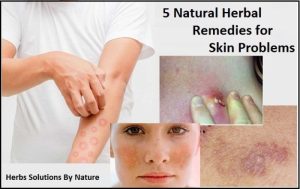
Delving into How to use herbal remedies for skin conditions, this introduction immerses readers in a unique and compelling narrative, with insights on the benefits of herbal remedies for common skin conditions and how they can be integrated into daily skincare routines for optimal skin health.
From discussing popular herbs and plants to sharing tips on application methods, this guide aims to enlighten readers on the wonders of herbal remedies for skincare.
Herbal Remedies for Skin Conditions
Using herbal remedies for common skin conditions can offer various benefits, as they are often gentle on the skin and free from harsh chemicals. These natural remedies can help soothe irritation, reduce inflammation, and promote overall skin health.
Popular Herbs and Plants for Treating Skin Conditions
There are several popular herbs and plants known for their effectiveness in treating skin conditions:
- Lavender: Known for its calming and antiseptic properties, lavender can help with skin irritation and acne.
- Aloe Vera: Aloe vera is a well-known plant for its soothing and moisturizing effects, making it ideal for treating sunburns and dry skin.
- Calendula: Calendula has anti-inflammatory and antibacterial properties, making it great for soothing eczema and dermatitis.
- Tea Tree Oil: Tea tree oil is commonly used for its antimicrobial properties, helping to treat acne and fungal infections.
Forms of Herbal Remedies for Skin Conditions
Herbal remedies can be applied to the skin in various forms to address different skin conditions:
- Creams: Herbal creams are popular for moisturizing and treating dry skin, eczema, and psoriasis.
- Oils: Herbal oils like coconut oil or jojoba oil can be used for massage or as a moisturizer for the skin.
- Masks: Herbal masks made from ingredients like clay, herbs, and honey can help detoxify the skin and improve its overall appearance.
Tips for Preparing and Applying Herbal Remedies
When using herbal remedies for skin conditions, it’s essential to properly prepare and apply them for maximum effectiveness:
- Research the herb or plant you plan to use to understand its properties and potential side effects.
- Perform a patch test on a small area of skin to check for any allergic reactions before applying the remedy to a larger area.
- Follow recipes and instructions carefully when preparing herbal remedies to ensure the right concentrations and combinations.
- Apply the herbal remedy gently to the affected area, massaging it in circular motions for better absorption.
Wellness Programs Incorporating Herbal Remedies
Wellness programs that incorporate herbal remedies for skin conditions focus on holistic approaches to skin health, addressing the root causes of skin issues rather than just treating the symptoms.
Examples of Wellness Programs
- One example is a wellness program that combines herbal remedies with dietary changes and stress management techniques to improve skin conditions such as acne and eczema.
- Another program may involve incorporating herbal teas and topical herbal treatments along with mindfulness practices to promote overall skin health.
Importance of Combining Herbal Remedies
Combining herbal remedies with other wellness practices such as proper nutrition, regular exercise, and stress reduction techniques is crucial for optimal skin health. Herbal remedies work best when integrated into a holistic approach to well-being.
Success Stories
-
One individual suffering from chronic psoriasis saw significant improvement in their skin condition after following a wellness program that incorporated herbal remedies, yoga, and a balanced diet.
-
Another person struggling with acne found relief and clearer skin by participating in a wellness program that included herbal supplements, meditation, and skincare rituals.
Herbal Remedies for Bone Density and Muscle Mass
Herbal remedies play a crucial role in improving bone density and muscle mass by providing essential nutrients and compounds that support bone health and muscle building.
Herbs Beneficial for Bone Health and Muscle Building
There are several herbs that are known for their beneficial effects on bone density and muscle mass:
- Horsetail: Rich in silica, which is important for bone health and strength.
- Nettle: Contains minerals like calcium and magnesium that are essential for bone density.
- Ashwagandha: Helps in increasing muscle mass and strength.
- Ginger: Has anti-inflammatory properties that can aid in muscle recovery and growth.
Incorporating Herbal Remedies into Diet and Fitness Routine
Herbal remedies can be easily incorporated into a diet or fitness routine to support bone density and muscle mass:
- Herbal teas: Drinking herbal teas made from bone-supporting herbs like nettle or horsetail can provide a daily dose of essential nutrients.
- Herbal supplements: Taking herbal supplements like ashwagandha capsules can help in improving muscle mass and strength.
- Herbal smoothies: Adding herbs like ginger or turmeric to your post-workout smoothies can aid in muscle recovery.
Success Stories of Herbal Remedies for Bone Density and Muscle Mass
Many individuals have experienced improvements in bone density and muscle mass through the use of herbal remedies:
“After incorporating ashwagandha supplements into my daily routine, I noticed a significant increase in my muscle mass and strength during my workouts.”
“Drinking nettle tea regularly has helped me improve my bone density and overall bone health, as confirmed by my recent bone density scan.”
Herbal Remedies for Dental Care and Eye Health
When it comes to maintaining good oral hygiene and promoting eye health, herbal remedies can play a significant role. These natural remedies offer a gentle and effective way to care for your teeth and eyes without harsh chemicals.
Herbs for Dental Care
There are several herbs known for their benefits in promoting oral health. These include:
- Neem: Known for its antibacterial properties, neem can help prevent cavities and gum disease.
- Clove: Effective in relieving toothaches and fighting off bacteria in the mouth.
- Peppermint: Freshens breath and has antimicrobial properties.
Herbs for Eye Health
For maintaining good eye health, consider incorporating these herbs into your routine:
- Bilberry: Rich in antioxidants that can benefit eye health and protect against age-related macular degeneration.
- Eyebright: Traditionally used to relieve eye irritation and inflammation.
- Ginkgo Biloba: Improves blood flow to the eyes and may help with conditions like glaucoma.
Using Herbal Remedies
When using herbal remedies for dental care, you can make homemade toothpaste or mouthwash using these herbs. For eye health, you can brew herbal teas or use herbal eye drops for relief from dryness or irritation.
Incorporating Herbal Remedies
To incorporate herbal remedies into your daily dental and eye care routines, consider using herbal toothpaste, mouthwash, or eye washes. You can also add fresh herbs to your diet or take herbal supplements known for their benefits to oral and eye health.
Herbal Remedies for Mental Clarity and Joint Flexibility
When it comes to enhancing mental clarity and cognitive function, herbal remedies can play a significant role in improving overall brain health. Additionally, these remedies can also help in promoting joint flexibility and reducing stiffness, leading to better mobility and flexibility.
Herbs for Mental Clarity and Focus
There are several herbs known for their ability to enhance mental clarity and focus. Some of these include:
- Ginkgo Biloba:Known for improving cognitive function and memory.
- Bacopa Monnieri:Helps in reducing anxiety and improving memory retention.
- Rhodiola Rosea:Known for reducing mental fatigue and boosting focus.
Improving Joint Flexibility with Herbal Remedies
Herbal remedies can also play a crucial role in improving joint flexibility and reducing stiffness. Some herbs that can help in this regard include:
- Turmeric:Contains anti-inflammatory properties that help in reducing joint pain and stiffness.
- Boswellia:Known for its ability to reduce inflammation in the joints and improve flexibility.
- Devil’s Claw:Helps in relieving joint pain and improving mobility.
Mindfulness Techniques for Mental Clarity and Joint Flexibility
Mindfulness techniques can be combined with herbal remedies to further enhance mental clarity and joint flexibility. Practices such as meditation, deep breathing exercises, and yoga can help in reducing stress, increasing focus, and improving overall well-being.
Herbal Remedies for Digestive Health and Detox Process
When it comes to maintaining digestive health and supporting the detox process, herbal remedies play a crucial role in promoting overall well-being. These remedies are known for their natural properties that aid in digestion, cleanse the body of toxins, and support a healthy gut.
Benefits of Herbal Remedies for Digestive Health and Detoxification
- Herbal remedies can help improve digestion by soothing the digestive system and reducing bloating and gas.
- They support the body’s natural detox process by eliminating harmful toxins and promoting liver function.
- Herbs can aid in reducing inflammation in the gut and promoting a healthy balance of gut bacteria.
List of Herbs Supporting Digestion and Detox Process
-
Peppermint:
Known for its soothing properties that can help relieve digestive discomfort.
-
Ginger:
Aids in digestion and has anti-inflammatory properties beneficial for gut health.
-
Dandelion:
Supports liver function and helps detoxify the body by promoting bile production.
Importance of a Healthy Gut for Overall Well-being, How to use herbal remedies for skin conditions
A healthy gut is essential for overall well-being as it plays a vital role in nutrient absorption, immune function, and even mental health. Herbal remedies can help maintain a healthy gut by promoting good digestion and supporting the balance of gut bacteria.
Incorporating Herbal Remedies into a Detox Routine
- Start your day with a cup of warm water infused with lemon and ginger to kickstart your digestion and detox process.
- Include herbal teas like peppermint or chamomile throughout the day to soothe the digestive system and promote detoxification.
- Experiment with adding herbs like dandelion or turmeric to your meals to support liver function and aid in detox.
Herbal Remedies for Blood Pressure and Heart Rate
Herbal remedies have long been used to help regulate blood pressure and heart rate naturally. By incorporating specific herbs into your daily routine, you can support cardiovascular health and maintain optimal blood pressure levels.
Beneficial Herbs for Cardiovascular Health
- Garlic: Known for its ability to lower blood pressure and improve heart health.
- Hawthorn: Helps dilate blood vessels, improving blood flow and lowering blood pressure.
- Hibiscus: Contains antioxidants that can help lower blood pressure and support heart health.
- Ginger: Has anti-inflammatory properties that can benefit heart health and help regulate blood pressure.
Mechanisms of Herbal Remedies on Blood Pressure and Heart Rate
Herbal remedies can impact blood pressure and heart rate by promoting relaxation, reducing inflammation, improving blood flow, and supporting overall heart health.
Lifestyle Changes for Healthy Blood Pressure and Heart Rate
- Regular exercise: Engaging in physical activity can help lower blood pressure and improve heart rate.
- Healthy diet: Consuming a balanced diet rich in fruits, vegetables, and whole grains can support cardiovascular health.
- Stress management: Practicing relaxation techniques such as meditation or yoga can help reduce stress levels and support healthy blood pressure.
- Adequate sleep: Getting enough rest is crucial for maintaining healthy blood pressure and heart rate.
Herbal Remedies for Health Screenings and Vaccination Programs
Herbal remedies can play a significant role in supporting health screenings and vaccination programs by boosting the immune system and aiding in disease prevention. These natural remedies can complement traditional medical practices to improve overall health outcomes.
Herbs to Boost the Immune System
- Echinacea: Known for its immune-boosting properties, Echinacea can help the body fight off infections and illnesses.
- Garlic: Garlic is a powerful herb that can enhance the immune system and reduce the risk of common colds and flu.
- Ginger: Ginger has anti-inflammatory and antioxidant properties that can strengthen the immune system and protect against infections.
Importance of a Well-Rounded Approach to Health
Herbal remedies, along with health screenings and vaccinations, form a well-rounded approach to maintaining optimal health. While screenings help detect potential health issues early, vaccinations provide protection against specific diseases. Herbal remedies further support the immune system and overall health, creating a holistic framework for well-being.
Complementing Traditional Medical Practices
Herbal remedies can complement traditional medical practices by addressing underlying health issues and enhancing the body’s natural defenses. Integrating herbal remedies with screenings and vaccinations can lead to better health outcomes, as they work together to prevent diseases and promote overall wellness.
Herbal Remedies for Healthy Habits and Balanced Hormones
Herbal remedies play a significant role in promoting healthy habits and balancing hormones naturally. By incorporating specific herbs into daily routines, individuals can support overall wellness and maintain balanced hormone levels.
List of Herbs for Hormone Regulation and Healthy Habits
- Ashwagandha:Known for its adaptogenic properties, ashwagandha helps reduce stress and regulate cortisol levels, promoting hormonal balance.
- Maca Root:Maca root is rich in nutrients that support endocrine system function, helping to regulate hormone production.
- Chasteberry:Chasteberry is commonly used to balance hormones, particularly in women experiencing menstrual irregularities.
- Milk Thistle:Milk thistle supports liver health, which is essential for hormone metabolism and balance.
Incorporating Herbal Remedies into Daily Routine
One way to include herbal remedies in daily habits is by incorporating them into smoothies, teas, or meals. Creating a morning routine that includes herbal supplements can help maintain hormone balance throughout the day.
Tips for Maintaining Balanced Hormones and Healthy Habits
- Practice stress-reducing activities like yoga or meditation to support hormone balance.
- Eat a balanced diet rich in nutrients that support hormone production and metabolism.
- Stay hydrated and prioritize sleep to help regulate hormones naturally.
- Consult with a healthcare provider or herbalist to create a personalized herbal regimen tailored to your specific needs.
Herbal Remedies for Health Coaching and Fitness Goals
Herbal remedies can play a crucial role in supporting health coaching and fitness goals by providing natural solutions to common issues like inflammation, muscle recovery, and energy levels. When integrated into personalized health coaching programs, these remedies can enhance physical performance and overall well-being.
Examples of Herbs for Fitness Goals
- Turmeric:Known for its anti-inflammatory properties, turmeric can help reduce muscle soreness and support faster recovery after workouts.
- Ginseng:This adaptogenic herb can boost energy levels, endurance, and stamina, making it ideal for enhancing physical performance.
- Ashwagandha:With its stress-relieving and muscle-building properties, ashwagandha can aid in improving strength and muscle mass.
Benefits of Personalized Health Coaching with Herbal Remedies
- Customized approach: Health coaching that includes herbal remedies can tailor solutions to individual needs and goals, ensuring a more effective and sustainable path to fitness.
- Improved compliance: By incorporating herbal remedies into coaching programs, individuals are more likely to adhere to their wellness routines and achieve long-term success.
- Enhanced results: The synergistic effect of herbal remedies combined with personalized coaching can lead to faster progress, better performance, and overall well-being.
Success Stories with Herbal Remedies and Health Coaching
-
“After incorporating herbal remedies like turmeric and ginseng into my fitness routine as recommended by my health coach, I noticed a significant improvement in my energy levels, recovery time, and overall performance. I was able to reach my fitness goals faster and sustain them in the long run.”
-
“With the personalized health coaching that included herbs like ashwagandha, I not only saw an increase in my muscle mass and strength but also experienced reduced stress levels, allowing me to focus better on my fitness goals. It was a game-changer for me.”
Herbal Remedies for Diet Planning and Health Supplements
Herbal remedies can play a significant role in diet planning and health supplementation by providing natural sources of essential nutrients and promoting overall well-being. It is essential to understand how different herbs can complement a balanced diet and support various health goals.
List of Herbs for Balanced Diet and Health Support
- Turmeric: Known for its anti-inflammatory properties, turmeric can help reduce inflammation in the body and support overall health.
- Ginger: Ginger is often used to aid digestion and can help alleviate nausea and improve gut health.
- Garlic: Garlic has antimicrobial properties and can help boost the immune system.
- Ashwagandha: This adaptogenic herb can help reduce stress levels and promote mental clarity.
Importance of Consulting Healthcare Professionals
It is crucial to consult with a healthcare professional before adding herbal supplements to your diet. They can provide guidance on the appropriate dosage, potential interactions with medications, and ensure that the herbs are safe for your individual health needs.
Tips for Personalized Diet Planning with Herbal Remedies
- Identify Your Health Goals: Determine what specific health goals you want to achieve with the help of herbal remedies.
- Research and Educate Yourself: Learn about different herbs and their benefits to select the ones that align with your health objectives.
- Create a Balanced Diet Plan: Incorporate a variety of herbs into your meals to ensure you are getting a diverse range of nutrients.
- Monitor Your Progress: Keep track of how your body responds to the herbal remedies and adjust your diet plan accordingly.
Herbal Remedies for Breathing Techniques and Disease Prevention: How To Use Herbal Remedies For Skin Conditions
When it comes to respiratory health, herbal remedies can play a significant role in supporting breathing techniques and preventing respiratory diseases. By incorporating specific herbs into your wellness routine, you can improve lung function and overall respiratory health.
Examples of Herbs for Respiratory Health
- Peppermint:Known for its soothing properties, peppermint can help clear the respiratory tract and promote easier breathing.
- Eucalyptus:Eucalyptus is commonly used to relieve congestion and support respiratory health, making it a popular choice for those looking to improve lung function.
- Ginger:With its anti-inflammatory properties, ginger can help reduce inflammation in the respiratory system, promoting better breathing.
Combining Herbal Remedies with Breathing Exercises
Pairing herbal remedies with breathing exercises can enhance the benefits of both practices. For example, incorporating eucalyptus oil into your steam inhalation routine can help clear the airways and improve the effectiveness of breathing exercises aimed at increasing lung capacity.
Creating a Wellness Routine for Respiratory Health
- Start your day with breathing exercises to promote lung function and clear the respiratory tract.
- Include herbal teas or supplements known for their respiratory benefits in your daily routine.
- Practice deep breathing techniques throughout the day to maintain optimal respiratory health.
Herbal Remedies for Pain Management and Holistic Treatments
When it comes to managing pain and seeking holistic treatments, herbal remedies offer a natural and effective alternative to traditional medication. Herbal remedies can help alleviate pain symptoms while promoting overall wellness and balance in the body.
List of Herbs with Analgesic Properties
- Arnica: Known for its anti-inflammatory properties, arnica can help reduce pain and swelling.
- Chamomile: Chamomile has soothing effects and can relieve muscle tension and headaches.
- Turmeric: With its active compound curcumin, turmeric is a powerful anti-inflammatory herb that can help manage chronic pain.
- Valerian Root: Valerian root is often used to alleviate nerve pain and promote relaxation.
Benefits of Holistic Treatments Incorporating Herbal Remedies
Holistic treatments that integrate herbal remedies offer a comprehensive approach to pain management by addressing the root cause of pain and promoting overall health. These treatments focus on the mind-body connection and aim to restore balance and harmony within the body.
Tips for Using Herbal Remedies Safely and Effectively
- Consult with a healthcare professional or herbalist before starting any herbal remedy regimen to ensure safety and proper dosing.
- Research each herb thoroughly to understand its potential side effects and interactions with medications.
- Start with low doses of herbal remedies and monitor your body’s response before increasing the dosage.
- Keep a journal to track your progress and any changes in symptoms or pain levels while using herbal remedies.
Herbal Remedies for Mental Resilience and Emotional Well-being
Herbal remedies have been used for centuries to support mental resilience and emotional well-being by providing natural solutions to help manage stress, anxiety, and other emotional challenges.
Examples of Herbs with Calming or Mood-Enhancing Effects
There are several herbs known for their calming or mood-enhancing properties that can help promote emotional balance and resilience. Some examples include:
-
Lavender: Known for its calming effects, lavender can help reduce stress and anxiety levels.
-
Chamomile: Chamomile is often used to promote relaxation and improve sleep quality.
-
Ashwagandha: This adaptogenic herb can help the body adapt to stress and support emotional well-being.
Importance of Self-care Practices with Herbal Remedies for Mental Health
Self-care practices that include herbal remedies can play a crucial role in maintaining mental health and emotional well-being. It is essential to prioritize self-care routines that support a healthy mind and body.
Mindfulness Techniques and Herbal Remedies for Emotional Balance
Practicing mindfulness techniques such as meditation, deep breathing exercises, and yoga can help promote emotional balance and resilience. When combined with herbal remedies like passionflower, lemon balm, or valerian root, these practices can further enhance mental well-being.
Summary
In conclusion, embracing herbal remedies for skin conditions offers a holistic and gentle approach to skincare, promoting overall well-being and healthy skin. By incorporating these natural remedies into your routine, you can experience the transformative power of herbs for a radiant complexion and nourished skin.
Start your herbal skincare journey today and witness the magic of nature unfold in every application.
Questions Often Asked
How often should I apply herbal remedies for skin conditions?
You can apply herbal remedies daily or as needed, depending on the severity of your skin condition and the specific herb you are using.
Are there any side effects of using herbal remedies for skin conditions?
While herbal remedies are generally safe, some individuals may experience allergic reactions or skin irritation. It’s advisable to do a patch test before full application.
Can herbal remedies replace medical treatments for skin conditions?
Herbal remedies can complement medical treatments but should not be used as a substitute. Consult with a healthcare professional before making significant changes to your skincare regimen.