
High heart rate during exercise normal range – High heart rate during exercise is a common phenomenon, but what exactly constitutes a normal range? Delve into the intricacies of heart rate regulation during physical activity and discover the factors that can influence it.
Explore the significance of monitoring heart rate while working out and learn valuable tips to effectively manage a high heart rate during exercise.
High Heart Rate During Exercise Normal Range
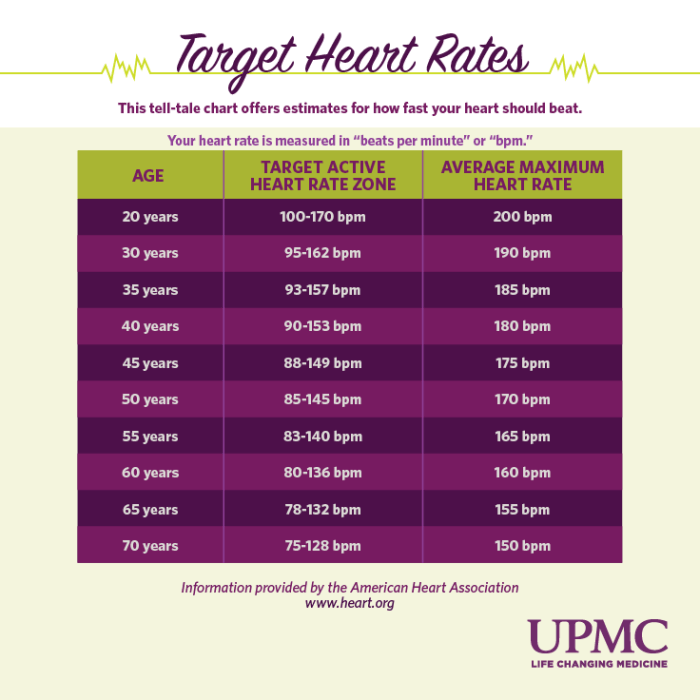
When engaging in physical activity, it is normal for your heart rate to increase to meet the demands of your body. The normal range of heart rate during exercise varies depending on factors such as age, fitness level, and the intensity of the exercise.
Factors Influencing High Heart Rate During Exercise
- Age: Younger individuals tend to have higher maximum heart rates compared to older individuals.
- Fitness Level: Those who are more physically fit may have a lower resting heart rate and a more efficient cardiovascular system, allowing them to maintain a lower heart rate during exercise.
- Intensity of Exercise: Higher intensity workouts can lead to a higher heart rate as the body requires more oxygen and energy to sustain the activity.
Importance of Monitoring Heart Rate During Physical Activity
Monitoring your heart rate during exercise is important as it can help you ensure that you are working out at an intensity that is safe and effective for your fitness goals. It can also help you track your progress over time and prevent overexertion.
Tips to Manage a High Heart Rate During Exercise
- Stay Hydrated: Dehydration can contribute to an increased heart rate, so make sure to drink plenty of water before, during, and after your workout.
- Take Breaks: If you notice your heart rate is getting too high, take a break and allow your heart rate to come down before resuming your exercise.
- Practice Deep Breathing: Deep breathing exercises can help lower your heart rate and promote relaxation during intense workouts.
- Listen to Your Body: Pay attention to how you feel during exercise and adjust the intensity or duration as needed to keep your heart rate within a safe range.
Wellness Programs: High Heart Rate During Exercise Normal Range
A comprehensive wellness program typically includes a variety of components aimed at promoting overall well-being and healthy lifestyle habits. These components often encompass physical, mental, and emotional aspects of wellness.
Components of a Comprehensive Wellness Program
- Physical activity and exercise routines tailored to individual needs
- Nutritional guidance and meal planning
- Stress management techniques and mindfulness practices
- Health screenings and preventive care measures
- Access to mental health resources and counseling services
Benefits of Participating in Wellness Programs
- Improved physical fitness and overall health
- Reduced risk of chronic diseases such as heart disease and diabetes
- Enhanced mental well-being and stress reduction
- Increased productivity and focus in daily activities
- Stronger sense of community and social connections
Wellness Activities for Improved Health
- Yoga and meditation for relaxation and stress relief
- Group fitness classes for motivation and accountability
- Nutrition workshops for healthy eating habits
- Health challenges to encourage active participation
- On-site flu shots and health screenings for preventive care
Impact of Wellness Programs on Well-Being
- Physical well-being: Improved fitness levels, weight management, and overall health
- Mental well-being: Stress reduction, enhanced mood, and better coping mechanisms
- Emotional well-being: Increased self-awareness, self-care practices, and emotional resilience
- Social well-being: Stronger social connections, support systems, and sense of belonging
Herbal Remedies
Herbal remedies have been used for centuries to promote health and well-being, offering natural alternatives to traditional medicine. These remedies are derived from plants and herbs, each with its unique properties and benefits.
Popular Herbal Remedies and Benefits
- Ginger:Known for its anti-inflammatory properties, ginger can help with digestion, reduce nausea, and alleviate muscle pain.
- Lavender:Lavender is often used for its calming effects, promoting relaxation and reducing anxiety and stress.
- Echinacea:Echinacea is believed to boost the immune system and help fight off colds and infections.
- Peppermint:Peppermint can aid in digestion, relieve headaches, and soothe muscle aches.
Consulting a Healthcare Provider
It is essential to consult a healthcare provider before incorporating herbal remedies into your routine, especially if you have existing health conditions or are taking medications. They can provide guidance on potential interactions and ensure the safety and effectiveness of the herbal remedies.
Incorporating Herbal Remedies into a Healthy Lifestyle
- Research and choose herbal remedies that align with your health goals and needs.
- Start with small doses to assess tolerance and effects.
- Integrate herbal remedies into your daily routine, such as adding them to teas, smoothies, or meals.
- Maintain open communication with your healthcare provider to monitor the impact of herbal remedies on your health.
Skin Health
Maintaining good skin health is essential not only for aesthetic reasons but also for overall well-being. Our skin acts as a protective barrier against external elements and plays a crucial role in regulating body temperature. Therefore, taking care of our skin is vital to ensure its proper function and appearance.
Importance of Skincare Routines
Skincare routines are key in promoting healthy skin. Cleansing, moisturizing, and applying sunscreen are basic steps that can help maintain skin hydration, prevent premature aging, and protect against sun damage. Consistency in these routines is crucial for achieving and maintaining healthy skin.
Common Skin Issues and Solutions
- Acne: Proper cleansing, exfoliation, and using non-comedogenic products can help manage acne. Seek professional help if needed.
- Dry Skin: Moisturize regularly, avoid hot showers, and use gentle cleansers to combat dry skin.
- Sun Damage: Wear sunscreen daily, reapply every 2 hours, and limit sun exposure during peak hours to prevent sun damage.
Impact of Diet and Lifestyle on Skin Health
Diet and lifestyle choices can significantly affect skin health. Consuming a balanced diet rich in fruits, vegetables, and antioxidants can promote healthy skin from within. Drinking an adequate amount of water, getting enough sleep, and managing stress levels also play a role in maintaining skin health.
Bone Density
Bone density refers to the amount of mineral content in bone tissue, which indicates the strength and health of bones. It is a crucial factor for overall health as it helps in determining the risk of fractures and osteoporosis.
Factors Affecting Bone Density
- Age: Bone density peaks around the age of 30 and starts declining gradually.
- Gender: Women are at a higher risk of lower bone density, especially after menopause.
- Diet: Calcium and Vitamin D intake play a significant role in maintaining healthy bone density.
- Physical Activity: Weight-bearing exercises help in strengthening bones and improving bone density.
- Smoking and Alcohol: Both can negatively impact bone density and increase the risk of fractures.
Tips to Improve and Maintain Healthy Bone Density
- Ensure an adequate intake of calcium and Vitamin D through diet or supplements.
- Engage in regular weight-bearing exercises like walking, running, or weightlifting.
- Avoid smoking and excessive alcohol consumption to protect bone health.
- Get regular bone density scans to monitor changes and take necessary actions.
Connection Between Bone Density and Risk of Fractures
Maintaining healthy bone density is crucial for reducing the risk of fractures, especially as we age. Low bone density weakens bones, making them more susceptible to fractures even with minor falls or accidents.
Muscle Mass
Having adequate muscle mass is crucial for overall physical health as it plays a significant role in various bodily functions.
Importance of Muscle Mass for Physical Health
- Muscle mass helps in maintaining a healthy metabolism by burning calories even at rest, aiding in weight management and preventing obesity.
- Strong muscles support good posture, balance, and overall body strength, reducing the risk of injuries and falls.
- Having sufficient muscle mass is essential for optimal performance in physical activities and sports.
Building and Maintaining Muscle Mass
- Engage in strength training exercises such as weightlifting, resistance bands, or bodyweight exercises to stimulate muscle growth.
- Consume an adequate amount of protein in your diet to support muscle repair and growth.
- Ensure proper hydration and rest to allow muscles to recover and grow effectively.
- Incorporate a variety of exercises that target different muscle groups to promote overall muscle development.
Impact of Age on Muscle Mass
- As we age, there is a natural decline in muscle mass known as sarcopenia, which can lead to weakness and frailty.
- To counteract age-related muscle loss, it is important to maintain an active lifestyle with regular strength training and adequate protein intake.
- Consulting with a healthcare provider or a fitness professional can help create a personalized plan to preserve muscle mass as you age.
Dental Care
Good dental care is essential for overall health as it not only helps maintain a healthy smile but also plays a crucial role in preventing various systemic health issues. Poor oral hygiene can lead to gum disease, tooth decay, and other dental problems that can have a negative impact on your overall well-being.
Importance of Good Dental Care
- Brush your teeth at least twice a day to remove plaque and prevent cavities.
- Floss daily to clean between your teeth and prevent gum disease.
- Visit your dentist regularly for check-ups and professional cleanings to detect and treat any issues early.
- Avoid smoking and limit sugary foods and drinks to maintain good oral health.
Connection between Dental Health and Systemic Health
Research has shown that poor oral health is linked to various systemic health conditions such as heart disease, diabetes, and respiratory infections. Bacteria from the mouth can enter the bloodstream and affect other parts of the body, emphasizing the importance of good dental care for overall health.
Common Dental Care Practices for a Healthy Smile
- Use fluoride toothpaste to strengthen enamel and prevent tooth decay.
- Rinse with mouthwash to reduce plaque and freshen breath.
- Avoid using your teeth as tools to prevent damage and fractures.
- Consider using a mouthguard during sports activities to protect your teeth from injury.
Eye Health
Regular eye exams are crucial for maintaining good eye health as they can help detect issues early on and prevent potential vision problems. It is recommended to have an eye exam at least once a year, especially for individuals over 40 or those with a family history of eye conditions.
Common Eye Conditions and Prevention
- Refractive errors such as myopia (nearsightedness) and hyperopia (farsightedness) can be corrected with prescription glasses or contact lenses.
- Cataracts, a clouding of the eye’s lens, can be treated with surgery if necessary.
- Glaucoma, a condition that damages the optic nerve, can be managed with medication or surgery.
Regular eye exams and a healthy lifestyle can help prevent or manage these conditions effectively.
Protecting Eyes from Digital Strain and Environmental Factors
- Take regular breaks when using digital devices to reduce eye strain.
- Adjust the brightness and contrast of screens to a comfortable level.
- Wear sunglasses with UV protection to shield eyes from harmful sun exposure.
Simple adjustments in daily habits can go a long way in protecting your eyes from strain and environmental factors.
Diet and Lifestyle Impact on Eye Health
- Eat a diet rich in fruits, vegetables, and omega-3 fatty acids to support eye health.
- Avoid smoking, as it can increase the risk of developing eye conditions like macular degeneration.
- Maintain a healthy weight and exercise regularly to promote overall wellness, including eye health.
Making healthy choices in diet and lifestyle can have a positive impact on your eye health in the long run.
Mental Clarity
Mental clarity refers to the ability to think clearly, focus, and maintain alertness. It is crucial for cognitive function as it enables individuals to make decisions, solve problems, and retain information effectively.
Techniques for Improving Mental Clarity and Focus
- Practice mindfulness meditation to enhance concentration and reduce mental distractions.
- Engage in regular physical exercise to boost blood flow to the brain and improve cognitive function.
- Get an adequate amount of sleep to allow your brain to rest and recharge for optimal performance.
- Stay hydrated throughout the day to support brain function and focus.
Impact of Stress and Sleep on Mental Clarity
- High levels of stress can impair cognitive function and hinder mental clarity. Implement stress-reducing techniques such as deep breathing exercises or yoga.
- Lack of quality sleep can lead to cognitive impairment, affecting mental clarity. Establish a consistent sleep routine and create a relaxing bedtime environment.
Activities to Enhance Mental Acuity
- Engage in brain-training activities like puzzles, crosswords, or Sudoku to stimulate cognitive function.
- Practice deep breathing exercises or progressive muscle relaxation to reduce stress and improve mental clarity.
- Take short breaks during work or study sessions to refresh your mind and maintain focus.
Joint Flexibility
Maintaining good joint flexibility is crucial for overall mobility and function. Flexible joints allow for a full range of motion, reducing the risk of injury and improving quality of life. As we age, joint flexibility tends to decrease, making it essential to incorporate exercises and stretches into our routine to preserve and enhance joint health.
Exercises and Stretches to Improve Joint Flexibility:
- Yoga: Incorporating yoga poses such as Downward Dog, Warrior II, and Child’s Pose can help improve flexibility in various joints.
- Dynamic Stretching: Perform dynamic stretches like arm circles, leg swings, and torso twists to warm up the joints and increase flexibility.
- Foam Rolling: Using a foam roller can help release tension in muscles surrounding the joints, promoting better flexibility.
Impact of Aging on Joint Health and Ways to Maintain Flexibility:
- As we age, the cartilage in our joints may wear down, leading to stiffness and reduced flexibility. Regular exercise, proper nutrition, and staying hydrated can help maintain joint health.
- Incorporating low-impact activities like swimming or cycling can be gentler on the joints while still improving flexibility and overall mobility.
- Consulting a healthcare provider for guidance on specific exercises and stretches tailored to your individual needs can help address joint stiffness and maintain flexibility over time.
Tips on Preventing Joint Injuries through Proper Care and Movement:
- Always warm up before engaging in physical activity to prepare the joints for movement and reduce the risk of injury.
- Practice proper form and technique during exercises to avoid putting unnecessary strain on the joints.
- Listen to your body and avoid pushing through pain or discomfort, as this can lead to joint injuries and long-term damage.
Digestive Health
A healthy digestive system is crucial for overall well-being as it plays a vital role in nutrient absorption, immune function, and waste elimination. Poor digestion can lead to various health issues and impact your quality of life.
Tips for Promoting Good Digestion
- Avoiding processed foods and consuming a diet rich in fiber from fruits, vegetables, and whole grains can help regulate bowel movements and promote healthy digestion.
- Stay hydrated by drinking an adequate amount of water throughout the day to support the digestive process.
- Include probiotic-rich foods like yogurt, kefir, and sauerkraut in your diet to maintain a healthy balance of gut bacteria.
- Practice mindful eating, chew your food thoroughly, and avoid eating too quickly to aid in proper digestion.
Common Digestive Issues and How to Address Them
- Indigestion: Avoiding trigger foods, managing stress, and eating smaller, more frequent meals can help alleviate symptoms of indigestion.
- Constipation: Increasing fiber intake, staying physically active, and drinking plenty of water can help improve bowel regularity and relieve constipation.
- Heartburn: Avoiding acidic and spicy foods, eating smaller meals, and maintaining a healthy weight can help reduce the frequency of heartburn episodes.
The Connection Between Gut Health and Immune Function
The gut plays a significant role in immune function, as a large portion of the body’s immune system resides in the gastrointestinal tract. A healthy gut with a diverse microbiome can help support a strong immune response and protect against infections and diseases.
Detox Process
Detoxification is the process of removing toxins and harmful substances from the body to improve overall health and well-being. It plays a crucial role in supporting the body’s natural functions and promoting optimal functioning of organs such as the liver, kidneys, and skin.
Natural Ways to Support Detox Process
- Avoid processed foods and focus on whole, nutrient-dense foods like fruits, vegetables, and lean proteins.
- Stay hydrated by drinking plenty of water throughout the day to help flush out toxins.
- Engage in regular physical activity to support circulation and sweat out toxins through the skin.
- Incorporate herbs and spices like turmeric, ginger, and cilantro known for their detoxifying properties into your meals.
Incorporating Detox Practices into Healthy Lifestyle
- Start your day with a glass of warm water with lemon to kickstart your metabolism and aid in digestion.
- Practice intermittent fasting to give your digestive system a break and allow your body to focus on detoxification.
- Include relaxation techniques like yoga, meditation, or deep breathing exercises to reduce stress levels, which can impact detox processes.
Benefits and Risks of Detox Programs
Detox programs can help increase energy levels, improve digestion, promote weight loss, and enhance overall well-being.Benefits:
Some detox programs may be too restrictive and lead to nutrient deficiencies, dehydration, or other health issues if not followed properly. It’s important to consult with a healthcare professional before starting any detox program.Risks:
Blood Pressure
Blood pressure is the force of blood pushing against the walls of the arteries as the heart pumps it around the body. It is an essential measure of cardiovascular health and overall well-being.
Normal Range and Importance
Normal blood pressure is typically around 120/80 mmHg. The top number (systolic pressure) represents the pressure in the arteries when the heart beats, while the bottom number (diastolic pressure) is the pressure when the heart is at rest between beats.
- High blood pressure (hypertension) can lead to serious health issues like heart disease, stroke, and kidney problems.
- Low blood pressure (hypotension) can cause dizziness, fainting, and lack of oxygen to the brain and other vital organs.
Factors Affecting Blood Pressure
Several factors can influence blood pressure levels:
- Age, weight, and lifestyle habits such as diet and exercise
- Stress levels and emotional well-being
- Genetics and family history of hypertension
Maintaining Healthy Blood Pressure
Here are some tips to help maintain healthy blood pressure levels:
- Eat a balanced diet rich in fruits, vegetables, whole grains, and lean proteins.
- Engage in regular physical activity to keep your heart and blood vessels healthy.
- Avoid smoking and limit alcohol consumption.
- Manage stress through relaxation techniques like yoga or meditation.
Risks of High or Low Blood Pressure
High or low blood pressure can have detrimental effects on overall health:
- High blood pressure can damage arteries, leading to heart attacks and strokes.
- Low blood pressure can result in inadequate blood flow to vital organs, causing fainting or shock.
Health Screenings
Regular health screenings play a crucial role in early detection of diseases, allowing for timely intervention and treatment. These screenings are key components of preventive healthcare, helping individuals maintain overall well-being.
Common Health Screenings and Significance
- Blood Pressure Monitoring: Regular blood pressure checks can help detect hypertension, a silent killer that increases the risk of heart disease and stroke.
- Cholesterol Testing: Checking cholesterol levels can identify individuals at risk of developing heart disease and guide lifestyle modifications or medical interventions.
- Colonoscopy: Screening for colon cancer is essential for early detection and prevention of this deadly disease.
Tips for Preparation and Interpretation
- Follow fasting instructions if required for specific screenings, such as glucose testing.
- Discuss any concerns or symptoms with your healthcare provider before the screening.
- Understand the results and ask for clarification if needed to take appropriate action.
Role of Health Screenings in Preventive Healthcare
Regular health screenings serve as proactive measures to detect potential health issues before they escalate, enabling individuals to make informed decisions about their health. By identifying risk factors early, screenings empower individuals to take control of their well-being and adopt preventive measures to maintain a healthy lifestyle.
Vaccination Programs
Vaccination programs play a crucial role in preventing infectious diseases and protecting public health. By administering vaccines, individuals can develop immunity to specific diseases, reducing the risk of outbreaks and transmission within communities.
Importance of Vaccinations
Vaccinations are essential in preventing the spread of infectious diseases, such as measles, influenza, and polio. They not only protect the individual receiving the vaccine but also contribute to herd immunity, safeguarding those who cannot be vaccinated due to medical reasons.
Common Vaccines and Recommended Age Groups
- Children: Vaccines such as MMR (measles, mumps, rubella), DTaP (diphtheria, tetanus, pertussis), and polio are recommended during infancy and childhood.
- Adults: Vaccines like influenza, Tdap (tetanus, diphtheria, pertussis), and HPV (human papillomavirus) are commonly recommended for adults.
- Elderly: Vaccines for shingles, pneumonia, and influenza are crucial for older adults to maintain their health.
Vaccine Schedules and Booster Shots
It is important to follow the recommended vaccine schedules to ensure optimal protection. Booster shots may be required for certain vaccines to maintain immunity levels over time, especially for diseases like tetanus and pertussis.
Common Misconceptions about Vaccinations
-
Vaccines cause autism
: Numerous studies have debunked this myth, and vaccines are not linked to the development of autism.
-
Vaccines are not necessary
: Vaccines are crucial in preventing serious diseases and their complications, saving lives and reducing healthcare costs.
-
Vaccines are unsafe
: Vaccines undergo rigorous testing for safety and efficacy before approval, ensuring their overall safety for the public.
Healthy Habits
Maintaining healthy habits plays a crucial role in enhancing overall well-being and promoting a healthy lifestyle. By incorporating positive habits into our daily routine, we can improve our physical, mental, and emotional health, leading to a better quality of life.
Benefits of Healthy Habits
- Improved energy levels and productivity throughout the day.
- Enhanced immune system function, reducing the risk of illness.
- Better mood regulation and reduced stress levels.
- Lowered risk of chronic diseases such as heart disease, diabetes, and obesity.
Examples of Healthy Habits
- Eating a balanced diet rich in fruits, vegetables, whole grains, and lean proteins.
- Engaging in regular physical activity such as walking, jogging, or yoga.
- Prioritizing quality sleep by establishing a consistent bedtime routine.
- Practicing stress management techniques like meditation, deep breathing, or mindfulness.
Tips for Building Healthy Habits
- Start small and gradually incorporate new habits into your routine.
- Set specific, achievable goals to stay motivated and track your progress.
- Find a support system or accountability partner to help you stay on track.
- Celebrate your successes and be kind to yourself if you experience setbacks.
Impact of Consistent Healthy Habits
- Long-term weight management and reduced risk of obesity-related conditions.
- Improved mental clarity, focus, and cognitive function.
- Enhanced overall well-being and longevity.
Balanced Hormones
Having balanced hormones is crucial for overall health as they play a vital role in regulating various bodily functions. Hormones act as messengers in the body, controlling processes such as metabolism, growth, mood, and reproduction.
Common Hormone Imbalances and Symptoms
Common hormone imbalances include:
- Thyroid Hormones: Imbalance can lead to weight fluctuations, fatigue, and mood changes.
- Estrogen and Progesterone: Irregular menstrual cycles, hot flashes, and mood swings are common symptoms.
- Testosterone: In men, low testosterone levels can result in decreased libido and muscle mass.
Tips to Support Hormone Balance Naturally
Here are some tips to support hormone balance naturally:
- Eat a balanced diet rich in fruits, vegetables, and lean proteins.
- Exercise regularly to help regulate hormone levels and reduce stress.
- Get enough sleep to allow your body to rest and repair.
- Manage stress through relaxation techniques such as yoga or meditation.
Impact of Hormone Fluctuations on Health
Hormone fluctuations can impact various aspects of health:
- Mood: Hormone imbalances can lead to mood swings, anxiety, and depression.
- Metabolism: Thyroid hormones play a key role in regulating metabolism, impacting weight management.
- Reproductive Health: Imbalances in estrogen and progesterone can affect fertility and menstrual cycles.
Health Coaching
Health coaching plays a crucial role in promoting behavior change and overall wellness by providing personalized guidance and support to individuals on their health journey. By focusing on empowering individuals to make sustainable lifestyle changes, health coaches help clients achieve their health goals and improve their quality of life.
Benefits of Health Coaching
- Accountability: Health coaches help clients stay accountable to their goals and commitments, making it easier to maintain motivation and progress.
- Personalized Guidance: Coaches create individualized plans tailored to the specific needs and preferences of each client, ensuring a more effective and sustainable approach to health.
- Behavior Change: Through effective coaching techniques, individuals can identify and address barriers to behavior change, leading to long-lasting habits that support their well-being.
- Support and Encouragement: Health coaches provide ongoing support, encouragement, and feedback to clients, fostering a positive and empowering environment for growth and development.
Health Coaching Techniques and Strategies
- Goal Setting: Collaboratively setting realistic and achievable goals with clients to provide a clear direction for their health journey.
- Motivational Interviewing: Using empathetic listening and questioning techniques to help clients explore their motivations and overcome ambivalence towards change.
- Positive Reinforcement: Acknowledging and celebrating small victories and progress to enhance motivation and build confidence.
- Behavioral Tracking: Monitoring and evaluating behaviors and outcomes to identify patterns, challenges, and opportunities for improvement.
Achieving Health Goals with Health Coaching
Health coaching can help individuals achieve their health goals by providing them with the tools, knowledge, and support needed to make sustainable lifestyle changes. Through personalized guidance, accountability, and motivation, health coaches empower clients to take control of their health and well-being, leading to improved overall quality of life and long-term success.
Fitness Goals
Setting fitness goals is crucial for staying motivated and making progress in your health and wellness journey. Whether you’re aiming to lose weight, build muscle, improve endurance, or simply lead a healthier lifestyle, having clear goals can provide direction and focus to your fitness routine.
Importance of Setting Fitness Goals
- Setting fitness goals helps you stay motivated and committed to your workout routine.
- Goals provide a sense of accomplishment when achieved, boosting self-confidence and encouraging further progress.
- Having specific goals helps track your progress and make necessary adjustments to your fitness plan.
- Goals create structure and purpose in your workouts, preventing boredom and plateaus.
Tips for Setting Realistic Fitness Goals
- Set SMART goals: Specific, Measurable, Achievable, Relevant, and Time-bound.
- Start with small, attainable goals and gradually increase the intensity or duration as you progress.
- Consult with a fitness professional to help you set realistic goals based on your current fitness level and abilities.
- Consider your lifestyle, schedule, and preferences when setting fitness goals to ensure they are sustainable in the long run.
Examples of Short-term and Long-term Fitness Goals
- Short-term goal: Running a 5k race in 3 months.
- Long-term goal: Losing 20 pounds within a year through a combination of diet and exercise.
- Short-term goal: Increasing weightlifting bench press by 10% in 2 months.
- Long-term goal: Completing a marathon within the next 2 years.
Role of Goal Setting in Maintaining an Active Lifestyle
- Setting fitness goals helps you stay focused and committed to regular exercise.
- Goals provide a sense of purpose and direction in your fitness journey, keeping you motivated to continue challenging yourself.
- Having clear goals can help you overcome obstacles and setbacks, as you have a clear target to work towards.
- Regularly reviewing and adjusting your goals can help you stay engaged and excited about your fitness routine.
Diet Planning
Proper nutrition is essential for maintaining overall health and well-being. A balanced diet provides the necessary nutrients to support bodily functions, promote optimal performance, and reduce the risk of chronic diseases.
Importance of Balanced Nutrition
Creating a healthy diet plan is crucial for ensuring that your body receives the right balance of nutrients. A well-rounded diet can help you maintain a healthy weight, boost your immune system, improve your energy levels, and enhance your overall quality of life.
Tips for Meal Planning
- Plan your meals in advance to ensure you have a variety of nutrient-rich foods.
- Incorporate a mix of fruits, vegetables, whole grains, lean proteins, and healthy fats into your meals.
- Avoid processed foods and sugary beverages, opting for whole, natural ingredients instead.
- Drink plenty of water throughout the day to stay hydrated and support digestion.
Common Dietary Guidelines
- For weight loss: Focus on portion control, incorporate more fruits and vegetables, and limit high-calorie foods.
- For muscle gain: Increase protein intake, include complex carbohydrates, and stay hydrated to support muscle growth.
- For heart health: Reduce saturated fats, sodium, and added sugars, and increase fiber-rich foods like whole grains and legumes.
Nutrient-Rich Foods to Include
- Leafy greens like spinach and kale for vitamins and minerals.
- Fatty fish such as salmon for omega-3 fatty acids.
- Legumes like lentils and chickpeas for plant-based protein and fiber.
- Nuts and seeds for healthy fats and antioxidants.
- Whole grains like quinoa and brown rice for fiber and essential nutrients.
Health Supplements
Health supplements play a vital role in supporting overall health by providing essential nutrients that may be lacking in our diet or needed in higher quantities during certain times.
Essential Vitamins and Minerals
- Vitamin D: Important for bone health, immune function, and mood regulation.
- Vitamin B12: Essential for nerve function and red blood cell production.
- Iron: Necessary for transporting oxygen in the blood and preventing anemia.
- Omega-3 Fatty Acids: Beneficial for heart health, brain function, and reducing inflammation.
Choosing Quality Supplements
When selecting supplements, it is crucial to look for products that have been tested for quality, purity, and potency. Opt for reputable brands that follow Good Manufacturing Practices (GMP) and have third-party certifications.
Proper Dosages
- Follow the recommended dosage instructions provided on the supplement packaging or by a healthcare provider.
- Avoid taking more than the recommended dose, as excessive intake of certain nutrients can have adverse effects.
Consulting a Healthcare Provider
Before starting any new supplement regimen, it is essential to consult with a healthcare provider, especially if you have underlying health conditions, are pregnant or nursing, or are taking medications that may interact with supplements.
Breathing Techniques
Proper breathing techniques play a crucial role in promoting overall health and relaxation. By incorporating mindful breathing exercises into your daily routine, you can experience a range of benefits, from stress reduction to improved focus and physical well-being.
Benefits of Proper Breathing Techniques
- Enhanced relaxation and stress reduction
- Improved focus and concentration
- Boosted immune system function
- Increased energy levels
- Enhanced respiratory function
Examples of Breathing Exercises
- Deep Breathing: Inhale deeply through your nose, expanding your diaphragm, hold for a few seconds, and exhale slowly through your mouth.
- 4-7-8 Technique: Inhale for a count of 4, hold your breath for a count of 7, and exhale for a count of 8.
- Nostril Breathing: Close one nostril with your finger, inhale through the other nostril, then switch and exhale through the opposite nostril.
Connection Between Breathing and Physical Well-being
Proper breathing techniques can help regulate heart rate, improve circulation, and oxygenate the body more efficiently, leading to better overall physical health. By focusing on your breath, you can also reduce muscle tension and promote relaxation.
Tips for Incorporating Mindful Breathing
- Start your day with a few minutes of deep breathing exercises.
- Practice mindful breathing during moments of stress or anxiety to calm your mind.
- Set reminders throughout the day to check in with your breath and adjust as needed.
- Combine breathing exercises with meditation or yoga for a more holistic approach to wellness.
Disease Prevention
Preventive measures play a crucial role in reducing the risk of various diseases and maintaining overall health. By making lifestyle changes, focusing on immune system strength, and utilizing screenings and vaccinations, individuals can take proactive steps to prevent chronic illnesses.
Lifestyle Changes for Disease Prevention
Adopting a healthy lifestyle can significantly reduce the chances of developing chronic diseases. Some lifestyle changes that can help in disease prevention include:
- Eating a balanced diet rich in fruits, vegetables, whole grains, and lean proteins.
- Engaging in regular physical activity to maintain a healthy weight and improve overall fitness.
- Avoiding tobacco use and limiting alcohol consumption.
- Getting an adequate amount of quality sleep each night.
- Managing stress through relaxation techniques such as meditation or yoga.
Maintaining a Strong Immune System
A strong immune system is essential for fighting off infections and diseases. To boost your immune system, consider the following healthy habits:
- Eating immune-boosting foods like citrus fruits, garlic, and yogurt.
- Staying hydrated by drinking plenty of water throughout the day.
- Getting regular exercise to improve immune function.
- Getting enough sleep to allow your body to repair and regenerate cells.
- Managing stress levels to prevent immune system suppression.
Role of Screenings, Vaccinations, and Early Detection
Screenings, vaccinations, and early detection are vital components of disease prevention. They can help identify potential health issues before they become serious and provide opportunities for early intervention. Examples include:
- Regular health screenings for conditions like high blood pressure, cholesterol levels, and cancer.
- Receiving recommended vaccinations to protect against infectious diseases like flu, measles, and HPV.
- Early detection through self-examinations or routine medical check-ups for abnormalities or symptoms that may indicate a problem.
- Following up with healthcare providers for timely diagnosis and treatment of any identified issues.
Pain Management
Managing pain, whether acute or chronic, is essential for maintaining overall well-being. There are various approaches to pain management, including pharmacological and non-pharmacological methods. Non-pharmacological methods offer alternative ways to alleviate pain and improve quality of life. Lifestyle changes and alternative therapies can also play a significant role in managing pain effectively.
Non-Pharmacological Methods for Pain Relief
- Physical Therapy: Engaging in specific exercises and stretches can help improve mobility and reduce pain.
- Acupuncture: This traditional Chinese medicine technique involves inserting thin needles into specific points on the body to relieve pain.
- Mind-Body Techniques: Practices such as meditation, yoga, and deep breathing exercises can help reduce stress and alleviate pain.
- Heat and Cold Therapy: Applying heat packs or cold compresses to the affected area can help reduce inflammation and ease discomfort.
Lifestyle Changes for Pain Management
- Healthy Diet: Consuming anti-inflammatory foods such as fruits, vegetables, and omega-3 fatty acids can help reduce pain and inflammation.
- Regular Exercise: Engaging in physical activity can strengthen muscles, improve flexibility, and reduce pain in the long run.
- Stress Management: Practicing relaxation techniques and mindfulness can help lower stress levels, which can exacerbate pain.
Pain Management Techniques for Specific Conditions
- Arthritis: Gentle exercises, joint protection techniques, and weight management can help alleviate pain associated with arthritis.
- Migraines: Identifying triggers, practicing relaxation techniques, and maintaining a regular sleep schedule can help reduce the frequency and intensity of migraines.
- Lower Back Pain: Core strengthening exercises, proper posture, and ergonomic adjustments can help manage and prevent lower back pain.
Holistic Treatments
Holistic treatments focus on treating the whole person rather than just the symptoms of a specific ailment. This approach considers the physical, mental, emotional, and spiritual aspects of an individual to achieve overall well-being.Holistic care involves integrating conventional medicine with complementary therapies such as acupuncture, herbal remedies, massage therapy, yoga, meditation, and nutritional counseling.
By combining these approaches, holistic practitioners aim to address the root cause of health issues and promote healing from within.
Examples of Holistic Treatments, High heart rate during exercise normal range
- Acupuncture: This traditional Chinese medicine practice involves inserting thin needles into specific points on the body to promote energy flow and alleviate pain.
- Herbal Remedies: Using plants and plant extracts to support the body’s natural healing processes and enhance overall health.
- Mindfulness Meditation: A practice that involves focusing on the present moment to reduce stress, anxiety, and improve mental clarity.
- Chiropractic Care: Manipulating the spine to improve spinal alignment and nervous system function, which can alleviate pain and improve overall health.
Principles of Holistic Medicine and Benefits
Holistic medicine emphasizes the importance of prevention, individualized care, and the body’s innate ability to heal itself. By addressing the root cause of health issues and promoting overall well-being, holistic treatments can lead to long-lasting health improvements.
Mental Resilience
Mental resilience is the ability to adapt and bounce back from adversity, trauma, or stress. It plays a crucial role in maintaining mental well-being and coping with challenges effectively.
Techniques for Building Mental Resilience
- Practice mindfulness and meditation to stay present and reduce anxiety.
- Develop a strong support network of friends and family to lean on during tough times.
- Set realistic goals and break them down into manageable steps to avoid feeling overwhelmed.
- Engage in regular physical exercise to boost mood and reduce stress levels.
- Challenge negative thoughts and cultivate a positive mindset through affirmations and gratitude practices.
Examples of Practices Promoting Mental Well-being
- Journaling to express emotions and reflect on experiences.
- Engaging in hobbies and activities that bring joy and relaxation.
- Seeking therapy or counseling to work through emotional issues and develop coping strategies.
Impact of Mental Resilience on Overall Health
Mental resilience not only helps in coping with stress and challenges but also contributes to better overall health and quality of life. Individuals with higher mental resilience are less likely to experience mental health disorders, have improved relationships, and lead a more fulfilling life.
Wrap-Up
In conclusion, maintaining a balance in heart rate during exercise is crucial for optimal performance and safety. By understanding the normal range and implementing appropriate strategies, you can enhance your workout experience and overall well-being.
Top FAQs
What factors can influence a high heart rate during exercise?
Factors such as fitness level, hydration, temperature, and intensity of exercise can impact heart rate during physical activity.
Why is monitoring heart rate during exercise important?
Monitoring heart rate helps individuals stay within their target training zones, avoid overexertion, and maximize workout efficiency.
How can you manage a high heart rate during exercise?
Practicing proper breathing techniques, staying hydrated, pacing yourself, and gradually increasing exercise intensity can help manage a high heart rate during workouts.


