
Delving into Breathing exercises for stress management, this introduction immerses readers in a unique and compelling narrative, with a focus on various breathing techniques, their benefits, and holistic approaches to stress management. By exploring the significance of breathing exercises in reducing stress and enhancing overall well-being, this discussion aims to provide valuable insights for readers seeking effective stress management strategies.
As we navigate through the different aspects of breathing exercises for stress management, we will uncover how these techniques can positively impact physical, mental, and emotional health, offering readers a comprehensive understanding of the role of breathwork in promoting overall wellness.
Breathing Techniques
Breathing exercises play a crucial role in stress management as they help to calm the mind, reduce anxiety, and promote relaxation. By focusing on the breath, individuals can bring their attention to the present moment and create a sense of inner peace.
Diaphragmatic Breathing
Diaphragmatic breathing, also known as belly breathing, involves taking deep breaths from the diaphragm rather than the chest. This technique helps to increase oxygen flow in the body, reduce heart rate, and activate the body’s relaxation response.
Box Breathing, Breathing exercises for stress management
Box breathing is a simple technique that involves inhaling for a count of four, holding the breath for four counts, exhaling for four counts, and then holding the breath again for four counts. This method helps to regulate breathing patterns, calm the nervous system, and reduce stress levels.
Alternate Nostril Breathing
Alternate nostril breathing is a yogic breathing practice that involves breathing in and out through one nostril at a time. This technique helps to balance the right and left hemispheres of the brain, improve focus and concentration, and reduce feelings of anxiety and overwhelm.By incorporating these breathing techniques into a daily routine, individuals can effectively manage stress, reduce anxiety, and improve their overall well-being.
Each technique offers unique benefits and can be practiced anytime, anywhere to promote relaxation and inner peace.
Benefits of Breathing Exercises
Breathing exercises offer a wide range of benefits that go beyond just relaxation. These practices have a direct impact on our physical and mental well-being, making them an essential part of any wellness program.
Physiological Benefits
- Improves Mental Clarity: Deep breathing techniques help increase oxygen flow to the brain, enhancing cognitive function and focus.
- Enhances Joint Flexibility: Controlled breathing can relax muscles and improve blood circulation, leading to increased flexibility and reduced stiffness in the joints.
- Boosts Muscle Mass: Proper breathing techniques aid in efficient oxygen delivery to muscles during exercise, promoting muscle growth and strength.
- Increases Bone Density: Breathing exercises can help reduce stress levels, which in turn promotes bone health and density.
- Promotes Skin Health: Enhanced oxygen flow from deep breathing can contribute to a healthier complexion and improved skin elasticity.
Holistic Approaches to Stress Management
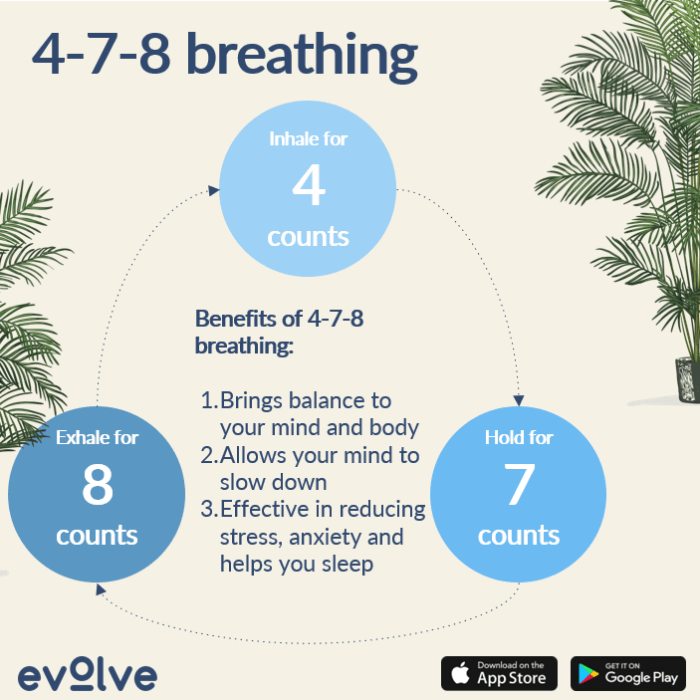
Breathing exercises are an integral part of holistic treatments for stress and pain management. These exercises focus on the connection between the mind and body, promoting relaxation and reducing anxiety levels. By incorporating breathing techniques into a holistic approach, individuals can experience a more balanced state of well-being.
Effectiveness of Breathing Exercises vs. Herbal Remedies
- Breathing exercises have been shown to be highly effective in reducing stress levels by calming the nervous system and promoting relaxation.
- Herbal remedies, on the other hand, may provide temporary relief but do not address the underlying causes of stress and anxiety.
- While herbal remedies can be beneficial, breathing exercises offer a more sustainable and holistic approach to managing stress in the long term.
Role of Breathing Techniques in Mental Resilience
- Breathing techniques play a crucial role in promoting mental resilience by helping individuals cope with challenging situations and emotional stress.
- Regular practice of deep breathing exercises can improve focus, clarity of mind, and emotional stability.
- By incorporating breathing exercises into daily routines, individuals can enhance their overall well-being and build a strong foundation for mental resilience.
Integrating Breathing Exercises into Daily Routine: Breathing Exercises For Stress Management
Breathing exercises are a powerful tool for managing stress and improving overall well-being. By incorporating these exercises into your daily routine, you can experience a range of benefits, including reduced anxiety, increased focus, and better emotional regulation. Here are some tips for seamlessly integrating breathing exercises into your daily health coaching regimen.
Designing a Sample Fitness Goal Plan with Breathing Techniques
- Start each day with a deep breathing exercise to set a positive tone for the day.
- Incorporate breathing techniques into your workout routine, such as practicing deep breathing during rest periods.
- Use breathing exercises as a way to unwind and relax before bed, promoting better sleep quality.
Strategies for Balancing Hormones through Breathing Exercises
- Practice diaphragmatic breathing to activate the parasympathetic nervous system and reduce cortisol levels.
- Focus on slow, controlled breathing to regulate hormone production and promote a sense of calm.
- Combine breathing exercises with mindfulness techniques to enhance hormone balance and overall well-being.
Conclusive Thoughts
In conclusion, Breathing exercises for stress management offer a holistic and effective approach to reducing stress, anxiety, and improving overall well-being. By integrating these techniques into daily routines and wellness programs, individuals can experience the transformative benefits of breathwork on both mind and body.
Embracing breathing exercises as an essential tool for stress management can lead to enhanced resilience, mental clarity, and a healthier lifestyle.
Questions Often Asked
How often should I practice breathing exercises for stress management?
It is recommended to practice breathing exercises daily for optimal stress management benefits. Consistency is key to experiencing the positive effects of breathwork.
Can breathing exercises help with insomnia?
Yes, certain breathing techniques, such as diaphragmatic breathing, can aid in relaxation and promote better sleep quality, which can be beneficial for managing insomnia.
Are there specific breathing exercises for reducing panic attacks?
Yes, techniques like box breathing or deep breathing can be effective in reducing the intensity of panic attacks by calming the nervous system and promoting relaxation.
How long should each breathing exercise session last?
Typically, a breathing exercise session can last anywhere from 5 to 20 minutes, depending on the technique used and individual preference. It’s important to find a duration that feels comfortable and effective for you.


